
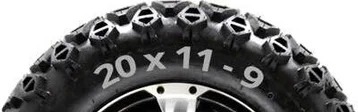


Whether you ride a quad for leisure or in a sporting context, choosing the right tyres plays a crucial role in your quad’s comfort and performance. Leisure and track tyres do not deliver the same performance, and opting for an unsuitable model can lead to premature wear, poor grip or discomfort.
Top sizes
Track quad tyres and leisure quad tyres
The two tyre types are actually quite similar. Choosing the right one mainly depends on how you plan to use your quad.
This kind of quad tyre is designed to perform on varied surfaces such as forest trails, dirt paths or gravel tracks. They offer great versatility, making them ideal for quads used on hikes or casual rides.
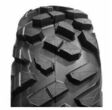
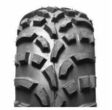
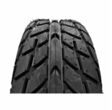
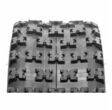
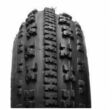
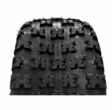
Their design, with small lugs, maintains a good contact patch with the ground and therefore maximum grip on all kinds of tracks.
The compound is engineered to resist the hazards found off-road, such as small impacts, roots or branches.
The recommended inflation pressure for these tyres is often between 0.2 and 0.4 bar, allowing them to absorb surface irregularities without compromising the quad’s stability.
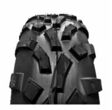
When choosing quad tyres, anticipate how you will use them. If you expect very muddy, sandy tracks or many obstacles, choose tyres with more aggressive lugs and a higher ply rating. If you mainly enjoy gentle rides on clean trails, reduce the number and size of the lugs for more grip on the tread.
Be careful: if your rides include road sections, you must choose road-approved tyres.
Our best tyres



Learn more
Learn more
Learn more
Learn more
Learn more
Learn more
Learn more
Learn more

Learn more
Learn more
Learn more
Learn more
Learn more
Learn more
Maintenance tips for your leisure / track quad tyres
To extend the life of your leisure / track quad tyres, a few simple actions are recommended.
Start by checking the pressure regularly, adjusting it to your usage and the terrain. An under-inflated tyre wears faster and harms the quad’s stability and therefore your safety.
Also store your tyres in a dry place, away from moisture and sunlight, which can degrade the compound over time.
Finally, proper balancing and correct wheel alignment help avoid irregular wear and ensure smoother, safer riding.
How long does a quad tyre last?
A quad tyre’s lifespan averages between 2,000 and 8,000 km, or 1 to 4 years, depending on the tyre type (off-road, road, mixed), compound, carried load and inflation pressure. To maximise longevity: check the pressure before each outing and clean the lugs after muddy or sandy runs.
How do I know if my quad tyres are road-approved?
To confirm your quad tyres are road-approved, inspect the sidewall:
- "E" marking in a circle followed by a number (e.g. E4): indicates compliance with European standard ECE R75.
- Clearly marked speed & load indices (e.g. 68 N): mandatory for approval.
- Possible "NHS" (Not for Highway Service): if present, the tyre is not approved.
If the E marking is absent, or if "NHS" appears, the tyre is not legally approved for road use.
What is a ply (PR) and what does the number mean?
The ply rating (PR, for "Ply Rating") of a quad tyre indicates the carcass strength: the higher the PR (2 PR, 4 PR, 6 PR, 8 PR…), the more load the tyre can carry and the better it resists punctures. Historically, the number reflected the actual textile layers; today it mainly serves as a robustness index:
- 2-4 PR: light, flexible tyres for sport or leisure quads, offering grip and comfort on soft ground.
- 6-8 PR: reinforced carcass for utility, agricultural quads or SSVs; greater stability, load capacity and cut resistance.
Choose the PR suited to your use: low PR for performance and flexibility, high PR for durability, work or aggressive terrain.